

Fireplaces Wood Burning Stoves
Wood stoves have a classy modern style that matches a wide variety of home designs. They are a potent source of heat and radiate heat throughout the space.
Modern wood burning stoves are EPA certified for their high heating efficiency and less particle emissions. By properly controlling the air vents you can boost the efficiency of your stove.
Energy Efficiency
Wood stoves use a very sustainable source of heat and can be a great addition to your current heating system. Moreover, they are very efficient heaters, with some models close to being as efficient as your furnace or oil-burning appliance. Modern stoves are designed to maximize the heat produced by each piece wood. This means you don't have to buy as much wood and can have a warm fireplace all through winter.
Stoves that are EPA-certified burn cleanly and reduce waste and emissions by allowing the fire to burn for longer with less fuel. This is in contrast to older fireplaces that rely on open flames and combustion that waste fuel, pollute the air and can cause dust to pollute your home.
The EPA certification of your wood stove assures that it meets strict standards for safety and efficiency. You can also get tax credits for the purchase of an approved stove. This can aid in saving money and lower your energy costs.
wood stoves near me can help you save the high prices of gas and electricity that energy companies charge. You'll still need to pay for wood, but the price fluctuation is likely to be less drastic than the price increases you'd experience when relying on a utility company.
A wood stove can also be used to heat your home in the event of power outages. It is possible to keep your home warm in the event that the power goes out during a snowstorm by using the wood stove to heat your living space and kitchen. In some instances, the chimney on the stove can be used to release hot water through the wall into a hot-water tank in your home for additional warmth.
If your wood-burning fireplace isn't properly insulated, you could lose heat and create drafts. It is possible to solve this problem by putting in an insulated wood stove liner to your fireplace. This will not only help you save energy, but it will prolong the life of your stove since it prevents heat from going through the chimney.
Cleanliness
Wood stoves are a great way to save energy and keep warm, but they do produce a lot of soot. Clean stoves are crucial to ensure your home is safe and healthy. It is recommended to clean your stove at least once per week and your chimney at least once a year. Cleaning your stove will ensure that it has proper air flow and it is safer to use.
The first step in cleaning your stove is to clean out the ash pan. The ashes can be emptied into a trash can, and then disposed of in a noncombustible bin or bag. If your fireplace has andirons or grate, you can clean them by using a broom and a brush and then dispose of them in the same way. Then, use a soft cloth to clean the stove's front as well as any other surfaces you'd like to wash. You may also take this occasion to clean your ash tray or re-line it with new liners that are available at the local hardware store.
After your stove has been cleaned, the next step is to sweep away any remaining creosote on the fireplace's walls. This is best done with a hard-bristled broom, starting as high up as you can before working your way down. You can also utilize a vacuum cleaner attachment with bristles made of hard material to get rid of the soot that has escaped.
If necessary, you should remove any obstructions that may be blocking your chimney. This could be twigs, branches, leaves, fruit, or even the nesting materials of small animals (which are known to nest in stove pipes and chimneys!). Your chimney could be susceptible to wind-blown substances like leaves or sand, based on where you live.
It is recommended that you have your chimney checked every year and to replace your catalytic filters every 1-4 years. It is also recommended to get your chimney cleaned professionally should it be required. These regular chores will help prevent fires and dangerous gases like carbon monoxide from entering your home.
Convenience
A wood burning stove provides warmth and a cosy atmosphere that gas or electric fireplaces cannot beat. Whether free standing or integrated into the wall, there are many designs and styles that will fit your home. There is nothing better than curling up with a crackling fireplace on the cold winter nights in the southeast of NY.
A wood stove can help you cut your energy costs. It's an excellent option if you live in a smoke-free zone (most of London, and many other major cities).
Stoves can be used as a primary heat source or as a supplement to your heating system. The amount of heat they produce is dependent on the size and air flow of the room. If you're considering using your stove as a primary source of heat it is essential to think about the type and quality of the logs you purchase.
The purchase of wood from local sources is a great way to cut your costs and reduce the carbon footprint of your stove. Splitting, stacking, and hauling logs can be a time-consuming and physically demanding task if you don't have the proper equipment. Many people choose to install the use of a log heater at their home to avoid the hassle of gathering, chopping, and the storage of wood.
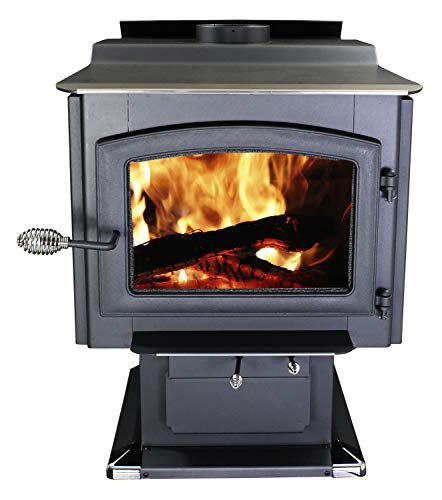
Modern wood stoves are more efficient and eco-friendly than traditional open-fire stoves. This means that they have to meet government regulations on emissions and also have catalytic combustor, which helps to keep the wood burning for longer and also starts the combustion at a lower temperature and reduces the emission of pollution.
You will still need to maintain your stove regularly. This includes cleaning the glass door, inspecting the flue and chimney, emptying the ash from the bottom, and ensuring there are enough dry wood logs to fuel the stove. The maintenance requirements are less than the energy cost to operate your heating system.
One of the biggest downsides of having wood stoves is that it creates the risk of injury to children and pets who may get too close to the flames. If they touch the fire or the glass door of your stove, they could be burned by an ember that has escaped. If you have pets or children We recommend installing a safety gate to your fireplace and keeping them from the flame.
Aesthetics
Wood burning stoves can add an elegant ambiance to any room. They become the focal point of the room when outfitted with a stunning mantel. A fireplace constructed of stacked stone, bricks and veneer can be stunning in its design. In addition, freestanding stoves provide many options for homeowners who want to find the right style for their home and budget.
Fireplaces need to be swept regularly to remove any particulates that are lodged in the chimney. These particles are dangerous as they could ignite again, causing fires. They can also clog up the chimney, which is dangerous and leads to carbon monoxide poisoning. In addition, regular use of fireplaces demands an ongoing supply of wood. This can be costly and time consuming to maintain.
Stoves don't have to be cleaned or swept as frequently as fireplaces. This can save homeowners time and money, as well as eliminating the need for a fireplace liner. Additionally, stoves do not produce the same carbon monoxide poisoning as fireplaces. They only produce a tiny amount, which is pushed out into the air by hot gasses.
A wood stove has a closed combustion chamber, meaning sparks are not as much of a hazard for pets and children as fireplaces can be. It is still recommended that both fireplaces and wood stoves have screens or doors fitted, as sparks could still erupt from the fire and cause injuries and property damage. Additionally, stoves should be kept a stated distance away from combustible substances like plasterboard and wallpaper.
The EPA has set emission standards that limit how much pollution a new stove could produce per hour. The EPA also requires that chimneys be cleaned once a year to ensure they are in good working order and don't have any cracks. In addition, a chimney liner should be installed to make sure that the flue is vented properly.
The advantages of a green wood stove are many. Wood is a sustainable, renewable energy source that can be harvested and developed in a reasonable time. Oak, hickory, and cherry are some of the trees which can be used as firewood. The process of cutting down the wood and turning it into firewood can take about 20-30 years. It is also a resource that can be used again, since the tree can be planted again after it has been cut down.